Men's clothing for running and trail running


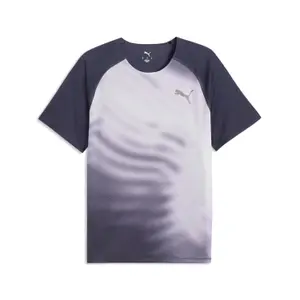
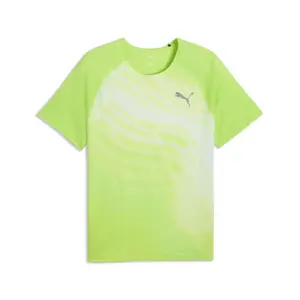

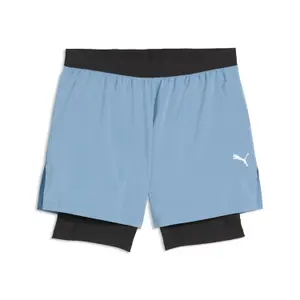


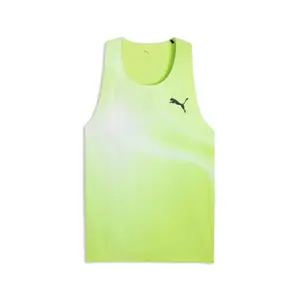
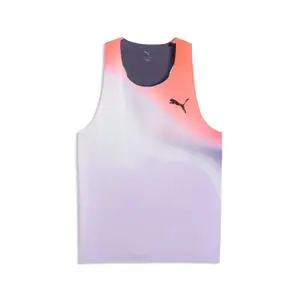


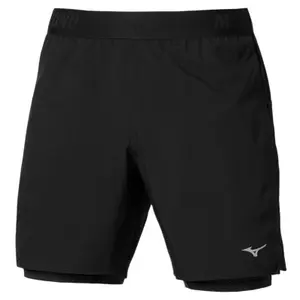
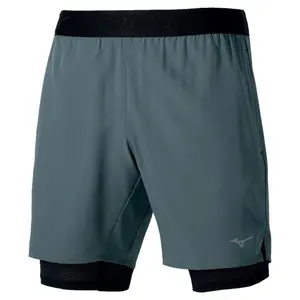
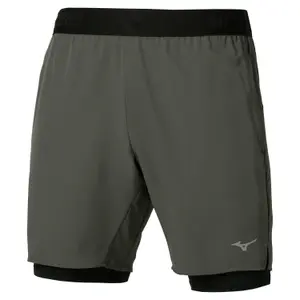


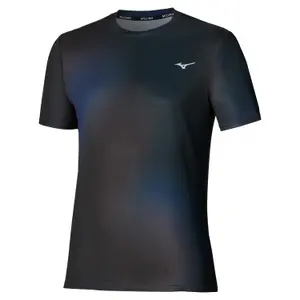
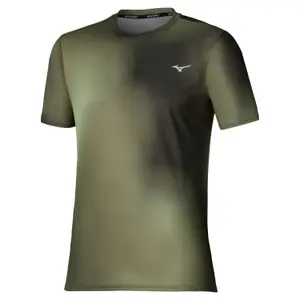


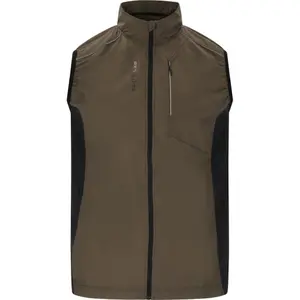


Breathable T-shirts, lightweight shorts, winter tights, windbreakers, technical socks: the men's clothing gathered here covers every outing, from track sprints to mountain trails.
First choose the category that interests you, then filter by size, colour or activity to keep only the pieces made for your terrain.
Running in style: the three-layer rule
An effective running outfit is built in layers, each with a specific role. The first layer, in contact with the skin, wicks away sweat: a t-shirt or base layer made from synthetic fabric or merino wool, never cotton, which stays damp and cools the body down. The second layer keeps you warm when it’s chilly: a long-sleeved top or a light sweatshirt. The third layer protects against wind and rain: a light jacket, windproof or waterproof, that can be rolled up into a pocket. In mild weather, the first layer is enough. In winter, you wear all three and remove layers as needed.
The same principle applies to your legs. A pair of shorts in summer, compression shorts to reduce chafing on long runs, leggings when it’s chilly, and trousers for warming up or cooling down.
Shirts, bottoms, socks: where to start with your outfit
Start with what touches your skin the longest: the top and socks. They determine whether you finish your run dry or soaked, with or without blisters.
- The men's running tops include short and long-sleeved t-shirts, vests, sweatshirts, and jackets, from base layers to rain protection.
- The men's running bottoms gather shorts, compression shorts, leggings, and trousers, for running in all seasons.
- The men's running socks range from invisible ankle socks to reinforced trail models, with wool versions for winter.
- The men's compression features compression shorts, leggings, sleeves, and socks that support muscles during exercise or recovery.
- The men's running accessories complete your outfit: hats, gloves, caps, headbands, neck gaiters, glasses, and belts.
- The men's clothing brands page lets you go straight to the brand you know.
Six brands that outfit runners
Big sports brands and outdoor specialists share the runner's wardrobe. Each has its own strengths.
- adidas offers its Adizero line, lightweight and designed for speed, and its Terrex line for trail and hiking.
- Mizuno, a Japanese brand, is known among runners for its Core shorts and tops and for its Breath Thermo fabric, which transforms body moisture into warmth in winter gear.
- Patagonia, founded in California in the climbing scene, makes durable and repairable outdoor clothing, popular in trail running and hiking.
- Joma, a Spanish equipment brand, offers sturdy training gear and compression shorts and leggings at a good value.
- Craft, a Swedish brand from Borås, has made a name for itself with its technical base layers and dresses both runners and cross-country skiers.
- Regatta, a British outdoor brand, covers hiking and trail running with waterproof jackets, fleeces, and walking trousers.
Road, trail, or hiking: adapt your clothing to the terrain
On the road, the priority is on lightness and breathability: thin fabrics, flat seams, reflective strips for evening runs. In trail running, you look for materials more resistant to the abrasions of a bag, pockets to carry food, and a waterproof jacket that fits in your hydration vest. In hiking, comfort over time is key: modular trousers, fleeces, thicker socks. The practical filter on each page helps you sort these uses.
Men's sizes: finding the right fit
A running outfit should move with you without being loose or tight. Fitted cuts reduce chafing and fabric flapping in the wind, while looser cuts suit casual jogging and hiking. Sizes vary from brand to brand: compare your chest and waist measurements to the size guide on the product page rather than relying on your usual size. If you’re between sizes, go for the larger size for a jacket you’ll wear over other layers, and the smaller size for compression leggings or shorts.
Low prices and new arrivals on men's clothing
To equip your wardrobe without breaking the bank, several pages are waiting for you. The special offers on men's clothing and great deals on men's clothing bring together discounted items all year round, while the clearance on men's clothing features end-of-line products. Throughout the year, the Black Friday men's clothing and then the sales on men's clothing take over. If you’re looking for the latest collections, check the new arrivals in men's clothing, and if your run is coming up, look at the men's clothing shipped in 24h.
Frequently asked questions
What to wear for running when it’s cold?
Layer a breathable first layer, a long-sleeved top, and a windproof jacket, then add leggings, a hat, and gloves. You should feel a bit cold at the start: your body warms up quickly after the first few kilometres. An outfit that’s too warm makes you sweat, and the sweat will cool you down afterwards.
Why avoid cotton for running?
Cotton absorbs sweat and holds onto it. The fabric becomes heavy, sticks to the skin, causes chafing, and cools you down as soon as you slow down. Technical synthetic fabrics and merino wool wick moisture away and dry much faster.
How to wash your running clothes without damaging them?
Wash them inside out, at low temperatures, without fabric softener, which clogs the fibres and reduces sweat wicking. Avoid the tumble dryer: the heat relaxes the elastane in leggings and peels off reflective prints. Air drying is enough since these fabrics dry quickly.
Do you need different clothes for trail and road running?
The basics are the same, but trail running requires more durability and storage. Shorts with pockets, a top that withstands chafing from a bag, and a compact waterproof jacket make the difference in the mountains. On the road, a lighter and more visible outfit is sufficient.
Do men's running clothes fit small?
It depends on the brands and cuts. Competition models tend to be very fitted, while training ranges are more comfortable. The safest bet is to compare your measurements to the size guide for each product page.