Men's Sports Socks
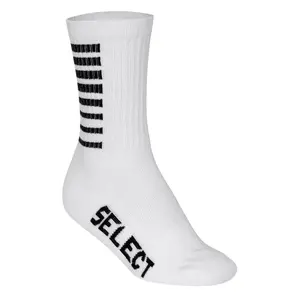


Badly chosen socks can lead to a short session: blisters, slippery feet, and moisture taking hold. The right pair should fit in terms of height, material, and seams.
Compare the styles here for running, training, or playing without any nasty surprises.
Why choosing the right socks matters
The sock is the first barrier between your foot and the shoe. When it bunches up or stays damp, the skin rubs. A good pair reduces the risk of blisters and improves comfort throughout your session.
Height and usage
An ankle sock is suitable for low shoes and warm weather. The mid-high sock protects the Achilles tendon from friction. The knee-high sock is useful for football, rugby or when wearing high-top shoes.
Reinforced zones
Some models reinforce the heel, toe and sole of the foot, where wear and tear is greatest. Others add an elastic band under the arch to limit slipping in the shoe.
Complete with nearby pieces
To match your outfit, check out compression wear, shorts, t-shirts or tracksuits.
Men's sock brands
You can find adidas, Falke, Erima, Joma, Select and Craft. Some pairs are designed for football or team sports, others for running; read the description to choose.
Habits to develop
Change your socks right after your session, even if you didn't sweat much. Dry the pairs flat, in the air, and wash them at a low temperature.
If you run often, plan to have several identical pairs: you can match them easily and they will wear evenly. Replace them when the heel wears thin or the elastic no longer holds.
Good price socks
Socks are often sold in packs; check out men's clothing deals and clearance sales.
Socks and shoes: a duo to match
A fitted running shoe requires a thin sock. A roomier indoor shoe can accommodate a slightly thicker sock. For football and rugby, the knee-high sock also holds the shin guard in place during contact.
Always try your pair of socks with the shoes you plan to wear, to ensure no bunching occurs under the forefoot.
When to replace
A worn heel, toes starting to show or a loose elastic are clear signs. Replacing your pairs before they give out prevents blisters and irritation.
If you run on damp ground or do team sports in the rain, bring an extra pair more than usual. A dry foot stays more comfortable and is less prone to irritation.
Frequently asked questions
How to avoid blisters on the foot?
Choose an exact size, flat seams and a technical fabric that wicks moisture away.
Knee-high socks or ankle socks for running?
Ankle socks are popular in summer; mid-high ones protect the ankle better.
What material for sweaty feet?
A lightweight technical fabric, rather than thick cotton.
Do I need compression socks?
Some people appreciate their calf support; compare on the compression page.
How long do sports socks last?
Replace them when the heel is worn down or the elastic no longer holds.