Men's running socks
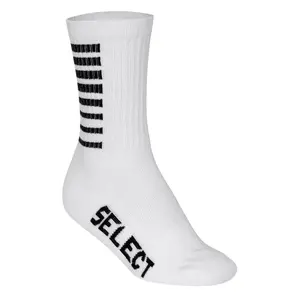

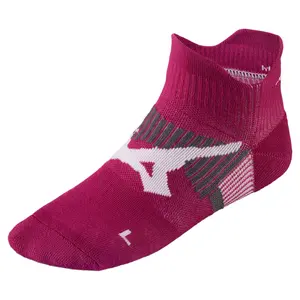


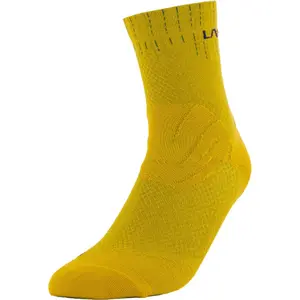


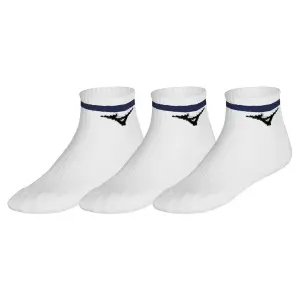


How many long runs have ended with a blister because of a poorly chosen pair? Running socks are the most underestimated part of your outfit, even though they connect your foot to your shoe.
Light ankle socks, high models for trail running, compression socks or woolen ones for winter: choose the height and thickness according to your terrain.
Why a special running sock changes everything
A running sock reduces friction, wicks away sweat and keeps the foot in the shoe. It is often reinforced at the heel and toes, thinner on the top of the foot to allow air to flow, and without thick seams at the toe. A cotton sock, on the other hand, retains moisture, bunches up and heats the skin: it's the recipe for blisters on a long run.
Height, thickness, material: the three adjustments
- Height: invisible ankle socks for the road in summer, short socks above the ankle to prevent chafing, high socks for trail running against stones, brambles, and the cold.
- Thickness: a thin sock provides more feel and space in the shoe, while a cushioned sock provides comfort over long distances.
- Material: synthetic fibres dry quickly, merino wool keeps you warm even when wet and reduces odours, and blends combine the two.
Also think about size: a sock that's too big bunches up, while one that's too small compresses the toes.
Six sock brands runners know
- Falke, a German family business, offers with its RU4 range socks cut differently for the left and right foot.
- Monnet manufactures fine and technical running and trail socks in France.
- adidas offers its Adizero line for the road and Terrex for trail and hiking.
- BV Sport, based in Saint-Étienne, specializes in compression, with production on-site.
- Injinji has made five-toe socks its signature, to separate the toes and reduce blisters between them.
- Rywan, a French brand, focuses on trail, running, and hiking socks.
Short, high, compression: the families on the page
To go faster, each family has its page. Short socks are suitable for the road and warmer days, high socks for trail and winter. Compression and recovery socks support the calf during and after exercise, and sock packs cover the whole week of training.
If you already have your brand, head to the page for socks Falke, socks adidas, socks BV Sport, socks Mizuno, socks Under Armour, or CEP socks.
Making your technical socks last
A running sock wears out first at the heel and under the forefoot. To make it last longer, wash it inside out at low temperature, without fabric softener, and let it air dry. Trim your toenails regularly: a nail that's too long can poke holes in the toe after a few runs. And rotate several pairs rather than always running in the same ones.
Cheaper running socks
Socks wear out quickly when you run often, so it's worth finding them at the right price. The men's special offers and men's good deals gather current discounts, while men's clearance features end-of-line stock. The Black Friday men's event and men's sales are good opportunities to restock for the year.
Frequently asked questions
What socks to avoid blisters when running?
Choose a technical sock in your size, with no thick seams at the toe, and made from moisture-wicking material. If blisters appear between the toes, try a five-toe sock. For long distances, a model with slight cushioning at the heel and forefoot helps too.
Do you need different socks for trail running?
It's advisable: a trail sock is often taller, to protect the ankle from stones and vegetation, and more reinforced at wear zones. It keeps the foot better in place during descents, where it tends to slip forward.
Wool socks for running, good or bad idea?
Good idea, as long as you choose a fine wool like merino, mixed with synthetic fibres. It keeps the foot warm even when wet, reduces odours, and is suitable for both winter and long trail outings.
What sock size to choose when between two sizes?
Choose the size that best corresponds to your running shoe size, which is often a bit larger than your everyday size. A sock that is too small pulls on the toes, while one that is too large bunches up under the arch.
How often should you change your running socks?
Once they start to thin at the heel or lose support and slide in the shoe. For a regular runner, this is often after a few months. A worn sock offers less protection and increases the risk of blisters.